
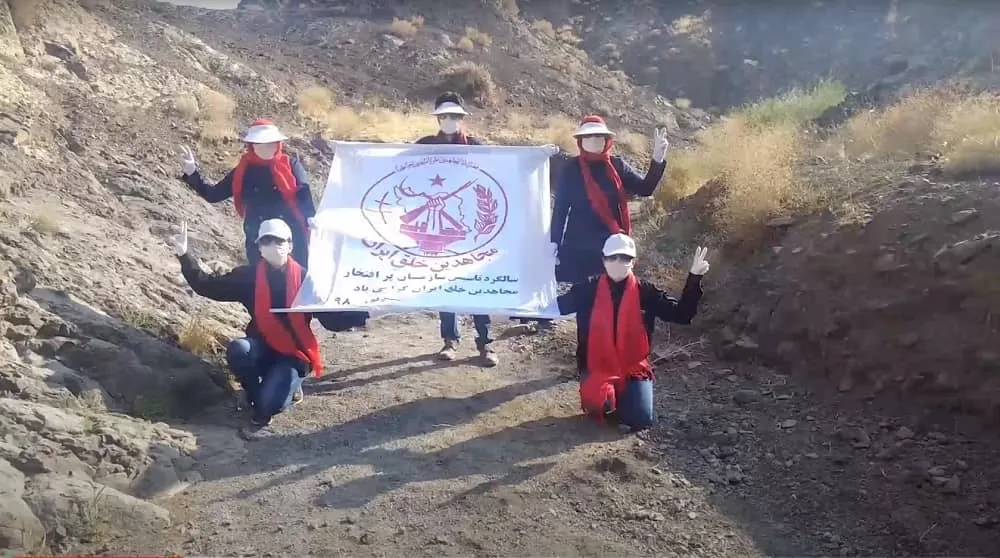
The fire has already begun. Tehran burns from within.
As negotiations between the U.S. and Iran continue, Middle East analysts debate potential outcomes. Yet, they overlook a critical reality: the Iranian regime fears its people more than U.S. warplanes or economic sanctions.
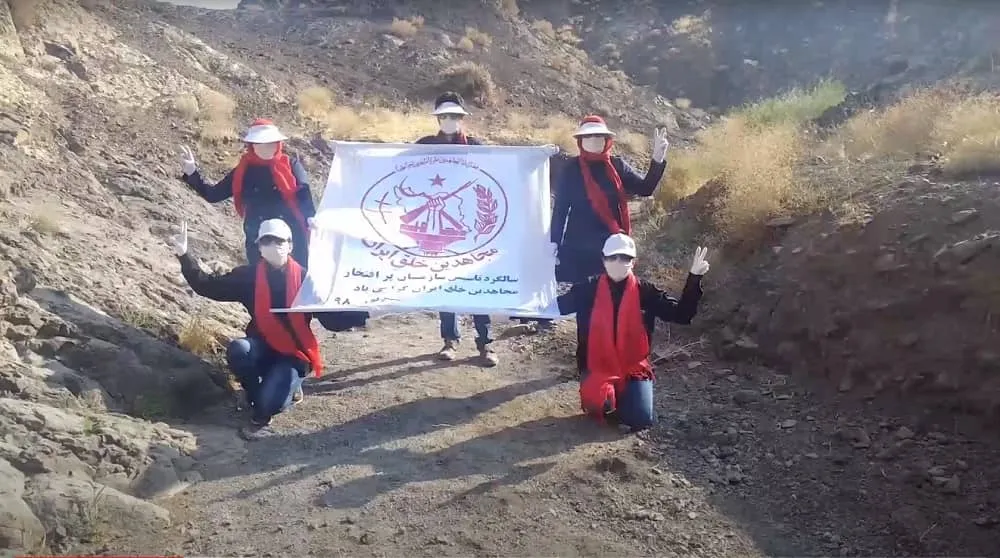
Iran’s Resistance Units Escalate Challenge Against the Regime Amid Growing Public Discontent
Resistance units affiliated with the People’s Mojahedin Organization of Iran (PMOI/MEK) recently executed coordinated strikes — torching Basij paramilitary stations, burning judiciary offices complicit in mass executions, and tearing down Khamenei’s propaganda billboards throughout Tehran. This wasn’t mere protest — it was a calculated message: the regime no longer instills fear.
The regime’s response was swift and brutal: five political prisoners were executed in Mashhad. Yet, the resistance didn’t waver. Within 48 hours, over 20 additional operations erupted from Karaj to Bushehr. Actions once dismissed as symbolic gestures are now credible threats destabilizing the regime from within.
Khamenei Isn’t Choosing Diplomacy or Defiance — He’s Delaying Collapse
Many in Washington remain trapped in outdated frameworks, fixating on nuclear leverage and internal political divides. This perspective misses the real issue: Iran is unraveling internally, and the Supreme Leader knows it.
While sanctions have inflicted pain, driving the regime back to negotiation, the true crisis is domestic. A resistance movement, previously underestimated, continues expanding street by street.
Institutions like Carnegie and CSIS portray Khamenei as a “risk-averse pragmatist.” Yet this fails to explain the regime’s sharp increase in executions or the emergence of well-trained MEK youth cells actively targeting regime structures, including propaganda centers, judiciary institutions, and military outposts.
This isn’t mere unrest — it’s active warfare.
MEK Isn’t Just Surviving — It’s Winning on the Ground
For decades, the MEK faced exile, demonization, and near-destruction due to Khomeini’s fatwas. Today, it reshapes Iranian dissent. Resistance Units have evolved from symbolic cells to operational forces, challenging regime authority across all 31 provinces.
Their tactics are bold: torching Basij and Revolutionary Guard bases, burning Khamenei posters — each act dismantles the regime’s illusion of invincibility.
Equally concerning for Tehran is the underground surge of MEK-affiliated youth, who organize through encrypted platforms under the unifying chant: “Death to the Dictator, be it Shah or Mullah.” This slogan doesn’t invoke nostalgia for monarchy but signals a profound rejection of authoritarianism in all forms.
Predictably brutal crackdowns — executions and mass arrests — only fuel the rebellion. A Resistance Unit member stated anonymously: “Each noose tightens their end, not ours. They’ve lost control — they just haven’t realized it yet.”
Washington Discusses Nukes; Iranians Discuss Uprising
Western diplomats still treat Iran as a rational state actor. Yet, the Islamic Republic no longer fits traditional state models. The unfolding crisis isn’t a series of isolated protests — it’s a systemic revolt.
If diplomacy succeeds, sanctions relief won’t stabilize the regime; it will embolden resistance.
If negotiations fail, economic collapse accelerates the revolution.
Either scenario spells doom for the regime.
MEK: From Exile to Center Stage
Once marginalized, the MEK now galvanizes internal resistance, employing a twofold strategy:
- Resistance Units: These clandestine cells conduct targeted strikes against IRGC, Basij, propaganda outlets, and judiciary offices.
- Youth Mobilization: “Rebellious Youth” use encrypted communications and social media to organize rapid protests, chanting: “Death to the Dictator, be it Shah or Mullah!” — representing a generational shift against all forms of tyranny.
By framing diplomacy as the regime’s desperate survival tactic rather than national strategy, the MEK has transformed negotiations into political leverage — and it’s effective.
The Regime’s Time is Running Out
Privately, European envoys acknowledge realities they can’t publicly state. As one diplomat noted, “Khamenei isn’t negotiating uranium enrichment. He’s buying time, and it’s running out.”
Iran’s theocracy is cornered. Foreign policy distractions and nuclear brinkmanship can’t halt internal collapse. Brutal crackdowns — with over a thousand executions — no longer deter; instead, they radicalize.
This is Khamenei’s nightmare: a resistance thriving despite repression, evolving from exile to Iran’s most potent internal threat. Victory no longer depends on state power — it requires only that Iranians cease to fear.
That tipping point is approaching.
Across Iranian cities, a stark message appears nightly, painted in defiance:
“The fire you ignite will consume you.”